

Ever been in the middle of something extremely hot and out of the blue, it feels like someone’s physically pushed your “off switch”, and suddenly, you're just… gone? Not into it. Not aroused. Maybe even anti-aroused. And it’s got nothing to do with your partner.
Or you're craving a long, decadent solo sesh, but the second you get started, even the idea of touching yourself makes your bones ache? And not in a good way.
That’s neurodivergent pleasure. It doesn’t exactly follow the rules. It’s often not about desire, or connection, or trying hard enough. It’s about navigating a body that responds in extremes. Sometimes all-in, sometimes all-out. And learning to work with it, not against it. I’m glad your neurospicy brain has brought you here. And if you’re just here doing research to connect with your neurospicy lover? Ah… that’s hot. Like really, really hot.
You see, the world isn’t built for neurodivergent people. And sadly, neither is most sex ed. Most sex ed isn’t created for anyone, really. But that’s a story for another day.
If you're autistic, ADHD, sensory-sensitive or otherwise neurodivergent, you've probably spent a lot of time decoding social rules that seem obvious to others. Add desire, touch and intimacy to the mix? It can start to feel like a spaghetti-themed food fight.
What Does “Neurodivergent” Mean?
Neurodivergence refers to natural variations in how brains work and process the world. It includes, but isn’t limited to, autism, ADHD, sensory processing disorder, dyspraxia, OCD and dyslexia.
This often looks like being very sensitive, deeply feeling and highly perceptive.
Sensory Overload, Sensory Seeking, and Everything In Between
Many neurodivergent people experience the world through heightened or shifting senses. Some are hypersensitive, certain fabrics, sounds or touches can feel overwhelming. Others are hyposensitive and may crave intense stimulation like pressure, vibration or rhythmic movement to really feel something. Many experience both, depending on mood, hormones, environment or even the time of day. Sometimes everything lands at once. Sometimes nothing does. Sometimes it flips halfway through.
These sensory contradictions can feel like friction. But they also open the door to nuance, depth, and intensity that a consistent sensory state may not offer.
According to the Autism Research Institute, over 90% of autistic people experience sensory processing differences, and ADHDers often report both sensory-seeking and sensory sensitivity. That matters, because pleasure is a sensory experience. And the key isn’t pushing through or toning it down. It’s building your pleasure around it.
Ways to Start Playing with Pleasure and Sensory States
1. Map your sensory landscape, before you get naked.
Ask yourself:
- What textures feel good or bad at this moment?
- Do I feel like deep pressure or gentle touch?
- What sounds soothe or overstimulate me?
- Where does my body hold tension?
2. Curate your space.
- Dim the lights
- Use headphones or soft background noise
- Keep fidget tools nearby
- Wear what comforts you. Your sexiest lingerie or a hoodie and socks.
3. The good stuff. Consider what you want to feel and why, then let’s look at the how.
If you love rhythm: you find comfort in patterns. Repetition calms you. Predictability = pleasure.
- Pulsing or tapping toys. These create steady, rhythmic waves you can melt into. Rather than buzz or vibrate, they push, creating deep, wave-like stimulation that you can sink into. Look at the award-winning Pulse Galaxie or Lustra's 3-in-1 Suction Wand.
- Air pulse stimulators. Think gentle, fluttering rhythm - without overwhelming contact. They're perfect for clits that crave indirect stimulation and overstimulate easily with traditional vibrators. Look at the Rose.
- Loopable audio erotica or sensual playlists. Let sound become your anchor. Bonus points for ASMR or binaural beats. This works for some. For me? ASMR is painful. So, I give my humble nod to techno. Deep, rumbly, tribal techno can infiltrate many a mind and pelvic area.
If you crave pressure: you feel most grounded when your body is held. You like things firm, focused and intense.
- Wand massagers. Deep, rumbly vibration that goes all the way to your bones. Look at Obsidian or again, the 3-in-1 Suction Wand (a 3-in-1 toy can really help with different moods)
- Weighted plugs or dildos. Sensual heaviness that gives your body something to push against. Look at a metal anal plug set or a heavyweight silicone butt plug
- Compression garments or sensory wraps (yes, even during solo play)Not a toy, but deeply regulating for many neurodivergent folks. Think compression socks or weighted blankets.
If you prefer softness: you love light touch, gentle textures, and things that feel more like a whisper than a shout.
- Velvety, soft, skin-loving silicone vibrators, like EDENY, the app-controlled panty vibrator.
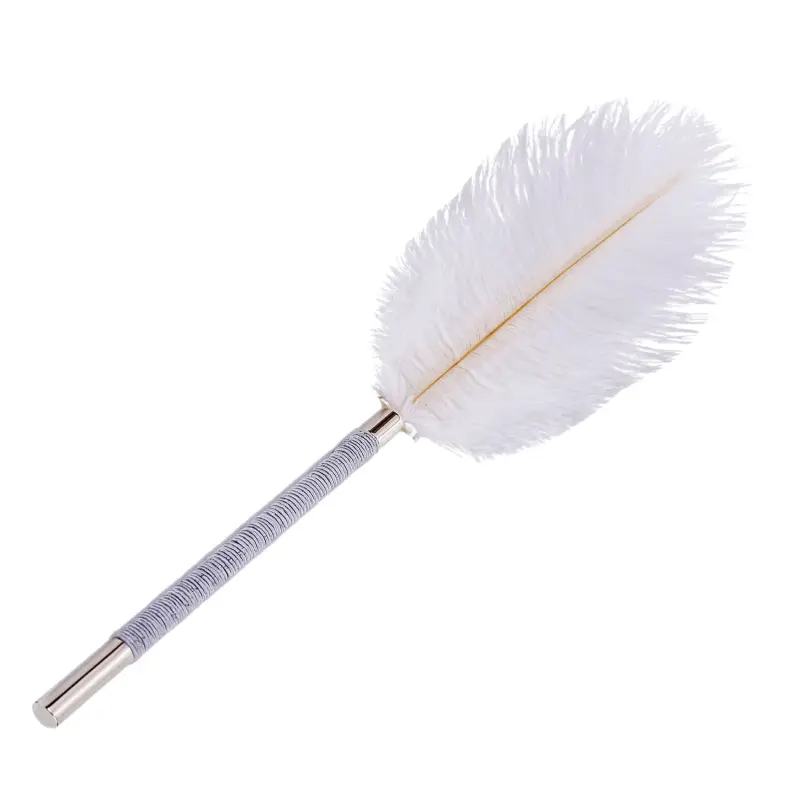
- Feather ticklers or soft brushes. Great for teasing and exploring without overwhelming stimulation.
- Cooling glass or smooth ceramic toys. Non-vibrating, temperature-play-friendly and beautifully gentle.
If you’re tactile but touch-averse: touch can be tricky. You might want to explore, but on your terms.
- Hands-free toys like wearable vibrators or suction toys, like EDENY, the app-controlled panty vibrator or ELLA, the app-controlled egg vibrator from SVAKOM.
- Audio erotica or fantasy roleplay games. Let your mind do the touching. Perfect if you prefer mental over physical stimulation.
- Textured blankets or weighted sensory fabrics. Wrap yourself up, stay grounded and tune in.
If you like control and structure: You feel safe when there’s a plan. Routines calm your nervous system.
- Scripted rituals with time cues Example: "Start with 5 minutes of breathwork, then touch, then toy."
- Remote control or app-based toys Let you adjust settings in a way that feels precise and empowering.
- Checklists, visual cues, or consent cards Turning intimacy into a clear, supported experience - no guessing required. Hi BDSM...
If you need less stimulation: sometimes pleasure feels better when there’s simply less to process. Reducing light, sound or unexpected touch can help you stay present without tipping into sensory overload.
- Blindfolds or eye masks Removing visual input can give your brain one less thing to process and help you focus on the sensations you’ve chosen. However, a blindfold can also make touch feel more intense or unpredictable, so agree on what will happen, introduce sensations slowly and keep communication clear.
- Noise-cancelling headphones or earplugs Useful when background noise pulls your attention away or makes it harder to remain connected to your body.
- One sensation at a time Instead of combining touch, sound, vibration and movement, begin with a single predictable sensation and add more only if it feels good. It's good to warm the body up and get it really eager for more.
Communicating Consent
Neurodivergence can affect how we send or receive social cues. That’s why clear, structured consent can feel so empowering... and so comforting.
Here are a few ways to make it easier:
- Try visual aids or yes/no cards. Make it playful.
- Use clear phrases like “Do you want more of this?”
- Agree on a traffic-light system: green, yellow, red. This makes it easy for someone to communicate whether they enjoy something or not.
- Introduce hand signals, especially if someone is likely to go non-verbal
- Check in before and after intimate moments
- Consider what “no” looks like and how not to take it personally. The safer someone feels to say “no”, the safer they’ll feel to say yes.
If you're the partner of someone neurodivergent, offer space and patience. Go slow. Ask what support means for them, know that needs can shift daily and remember to consider your needs too.
When Pleasure Feels Far Away
Sometimes pleasure feels out of reach, because of sensory overwhelm, executive dysfunction, trauma, stress, or just plain exhaustion.
That’s okay. Worth isn’t measured by libido.
Instead, try shifting focus to comfort, curiosity and care. Small acts can help you stay connected to your body and gently reintroduce sensation, imagination or softness, without forcing anything.
- Micropleasures Pleasure doesn’t have to mean arousal. It can be as simple as texture, temperature or weight. Run your fingers along a soft fabric. Let warm water pool around you in a bath or shower. Hold something heavy like a weighted pillow or a thick blanket against your chest or lap. These moments aren’t frivolous, they’re regulation.
- Self-soothing stims Rocking, tapping, applying pressure or repeating rhythmic movements can help downregulate the nervous system and create a sense of grounding. These are for ways your body speaks to itself in safety. Let them be part of your pleasure language too.
- Rewatching or relistening to a favourite fantasy When novelty is too much, familiarity can soothe. A favourite book, movie, audio or fantasy, something you know inside out, can feel safe, predictable and comforting. You don’t have to chase newness to feel something. Return to what already works.
- Scheduling solo time as a care ritual Block time in your week just for you, even if it’s five minutes. Not for productivity, not for improvement, but for presence. Maybe you light a candle, stretch, breathe, or touch your skin in a way that feels neutral or nice. It’s not about getting in the mood. It’s about making space to be with yourself as you are.
- Putting it down Sometimes the most radical choice is to stop trying. If pleasure feels like pressure, give yourself permission to pause. Let yourself off the hook. Your body doesn’t owe you performance. Let it rest. Let your senses recalibrate. Let your nervous system soften.
- Rest is part of the pleasure process too Pleasure isn’t always loud, wet or wild. Sometimes it’s slow, subtle, or still. Sometimes it’s just a quiet return to yourself, when you’re ready, in your own way, on your own time.
Pleasure is regulation too. Stimming, structure and sensory play can support your body, your joy and your version of sexy. Have fun. Be safe. Take care of yourself.