
There's more to pleasure than genitals and orgasms. And yet, when it comes to sex, much of our attention tends to go towards a relatively small percentage of our bodies.
When was the last time you actively explored a new part of your body? Or experimented with a different kind of touch?
We tend to develop habits around intimacy, sex and masturbation. We know what works, what gets us off and, often, the quickest way to get there. And in doing so, we miss the magic of the scenic routes.
What is pleasure mapping?
Pleasure mapping is the practice of exploring your body to better understand how, where and under what circumstances you experience pleasure.
It involves experimenting with different types of touch, pressure, movement, temperature and texture, without necessarily working towards an orgasm.
It's also an opportunity to understand the difference between what you find sexually arousing, what feels physically pleasurable and what makes you feel relaxed. These sensations can overlap, but they don't always have to.

The science of sensation
Our skin is our largest sensory organ. It contains sensory receptors that respond to different types of stimulation, including pressure, vibration, movement and temperature.
These receptors communicate with our brains through the nervous system, allowing us to register and interpret physical sensations. Different areas of the body have different concentrations and types of sensory receptors. Our fingertips and lips, for example, are particularly sensitive to touch.
We also have specialised nerve fibres known as C-tactile afferents, found primarily in hairy skin, which respond particularly well to slow, gentle stroking and are associated with pleasant, affectionate touch.
But sensitivity doesn't automatically translate into sexual pleasure. Our brains interpret physical sensations alongside our emotional state, previous experiences, level of arousal and the context in which we're being touched.
This is partly why the same physical sensation can feel entirely different depending on who's touching you, how you're feeling and whether you want to be touched in the first place. And for now, I won’t even get started on hormones.
How to start mapping your pleasure
1. Make some time for yourself
Give yourself some uninterrupted time to explore your body without the expectation of having an orgasm.
A few things that might help:
- A private, comfortably warm space
- 20-30 minutes of uninterrupted time
- Lubricant or massage oil
- A mirror, if you'd like to explore your anatomy
- Different textures or toys to experiment with
You can do this clothed, partially clothed or completely naked.
You don't necessarily need to be sexually aroused to begin. It can actually be quite interesting to compare how your body responds to touch before and during arousal.
2. Explore beyond your genitals
While the clitoris, penis and surrounding genital areas receive much of our attention during sex, there are plenty of other areas capable of producing pleasurable sensations.
Consider exploring:
- Scalp
- Neck and ears
- Collarbone
- Inner arms and wrists
- Sternum
- Breasts, nipples or chest
- Ribcage and sides
- Belly
- Inner thighs
- Behind the knees
- Lower back
- Ankles and feet
- Perineum
- Anus
You can, of course, include your genitals. The intention isn't to exclude them, but to give the rest of your body some attention, too.
3. Experiment with different types of touch
Where you're being touched is only one part of the equation. How you're being touched is equally important.
Experiment with different sensations:
- Light strokes
- Firm, sustained pressure
- Slow, sweeping movements
- Gentle scratching
- Rhythmic tapping
- Different intensities of vibration
- Warm and cool sensations
- Different textures, such as feathers or satin
- Stillness and sustained physical contact
Try applying different types of touch to the same area of your body. You might enjoy firm pressure on your thighs but find that the skin around your collarbone responds better to lighter touch.
You can also experiment with different speeds, rhythms and combinations of sensations.
4. Pay attention to your body's response
What feels good? What feels particularly sensitive? What feels relaxing rather than sexually arousing? What does absolutely nothing for you?
Consider whether you'd like more or less pressure, a different rhythm or a different type of stimulation altogether. If something feels uncomfortable or painful, stop. There is no need to desensitise yourself to something you don't enjoy.
You might find it useful to make a few notes about your preferences, particularly if you'd like to communicate them to a partner later.
Five erogenous zones worth exploring
The scalp
The scalp contains numerous sensory nerve endings, which is one of the reasons a head massage can feel so good.
Try gentle circular movements with your fingertips, light scratching or slow strokes through your hair. Pay particular attention to the base of your skull and the area behind your ears.
The lips and labia
Both the lips of the mouth and the labia can be highly sensitive to touch.
The labia are often overlooked in favour of more direct clitoral stimulation. However, external stimulation across the vulva can be pleasurable in its own right, particularly for people who find direct clitoral stimulation too intense.
The perineum
The perineum is the area between the genitals and anus. It contains sensory nerves and sits close to structures of the pelvic floor and genitals.
For some people, external pressure, massage or gentle vibration in this area can be particularly pleasurable.
The belly
An area we spend a disproportionate amount of time scrutinising and relatively little time enjoying.
The abdomen can be sensitive to warmth, pressure and light touch. Experiment with a warm palm resting against your stomach, slow movements or a little massage oil.
Behind the knees
The backs of the knees can be sensitive to light touch.
This is an interesting area to explore with fingertips or a feather, especially if you enjoy the sensation of being lightly tickled. For others, it might be entirely unappealing. That's useful information, too.
Pleasure mapping with a partner
Pleasure mapping can also be really fun to do with a partner, whether you're sleeping together for the first time or have been having sex with each other for years.
Sexual desire often thrives on novelty. As Esther Perel explores in Mating in Captivity, the familiarity and security we build in long-term relationships can sometimes be at odds with the unpredictability and curiosity that fuel erotic desire.
But novelty doesn't necessarily mean microdosing polyamory or introducing a new kink. There's plenty of newness to be found within your existing relationship. Pleasure mapping is a great way to do exactly that.
So put on some slow music and take the time to explore each other's bodies without working towards penetration or orgasm. The point is to discover what feels good, not to get somewhere.
Agree on any boundaries beforehand, take turns giving and receiving, and give honest feedback throughout. Be curious, experiment and don't assume you already know all the answers about your partner's body or, for that matter, your own.
Rather than simply asking whether something feels good, try asking more specific questions.
- Would you prefer more or less pressure?
- Does this feel better when I slow down?
- Would you like me to stay here?
- How does this feel compared to what I was doing before?
You also don't need to perform pleasure to reassure someone that they're doing a good job. Honest feedback is considerably more useful than exaggerated enthusiasm.
Sex toys and accessories for pleasure mapping
You don't need sex toys to practise pleasure mapping, but they can help you explore sensations that are difficult to replicate with your hands alone.
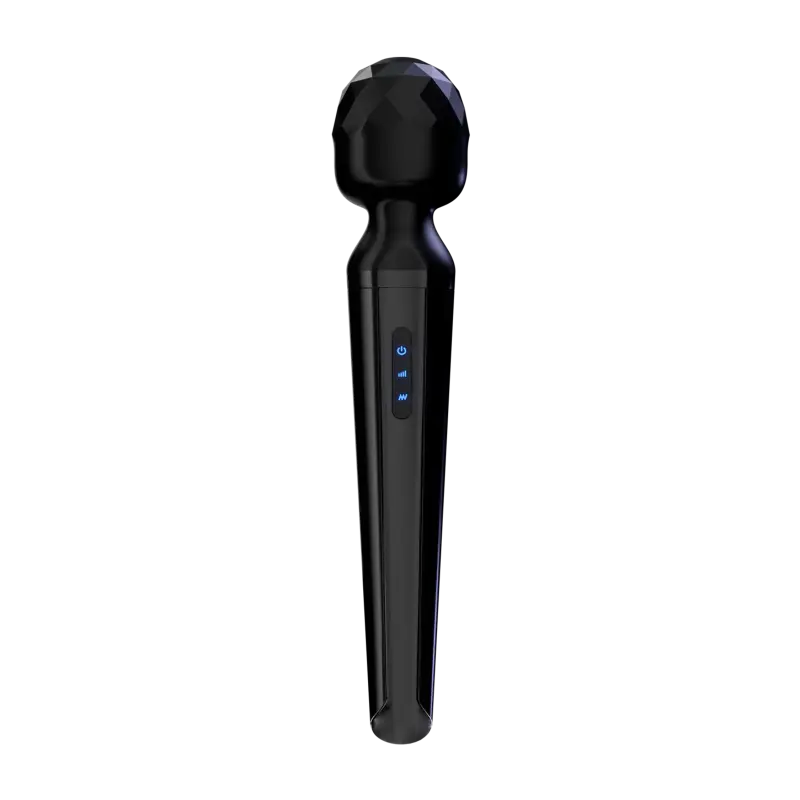
01 / Broad vibrations
Obsidian by Sexy Secret
Wand vibrators distribute vibrations across a relatively large surface area, making them particularly useful for full-body exploration.
Experiment with Obsidian's lower settings on your thighs, lower back or other areas of your body where you enjoy vibration.
Discover Obsidian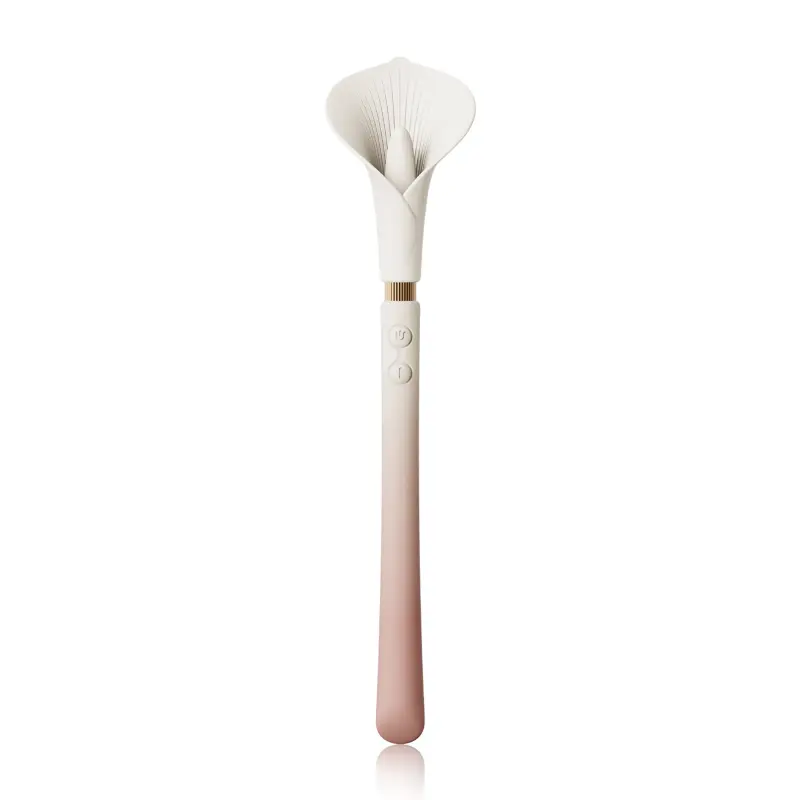
02 / Targeted vibrations
Calla by ZALO
Calla is a double-ended vibrating massager with a lily-inspired design.
Its smaller contact areas allow for more targeted stimulation, making it useful for comparing how your body responds to different types of vibration.
Discover Calla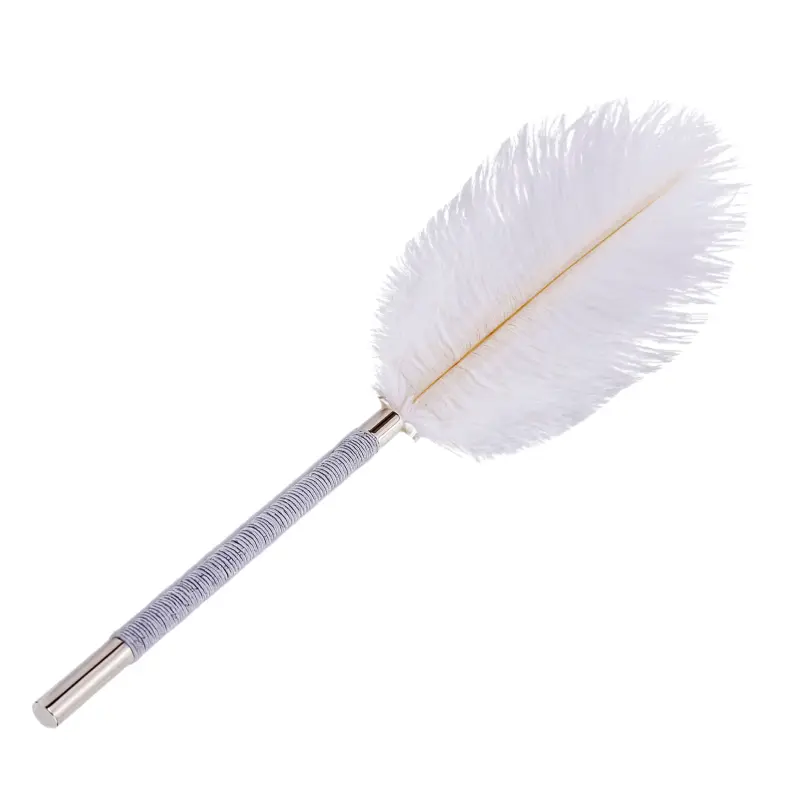
03 / Super light touch
Ostrich Feather Tickler by Roomfun
Not all pleasurable stimulation needs to be particularly intense.
A feather tickler allows you to experiment with very light touch across areas such as the neck, arms, palms and inner thighs. When you’re relaxed and this happens slow and intentionally, it feels like every single one of your nerves is tuned in.
Discover the Feather Tickler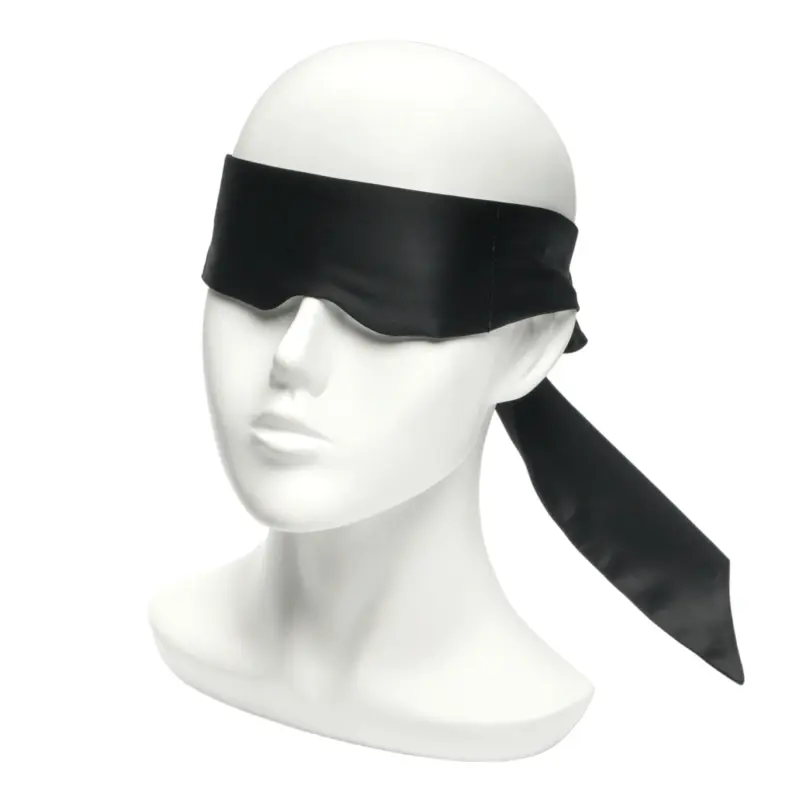
04 / Sensory exploration
Silky Satin Blackout Blindfold
Pop on a blindfold. Not knowing where or how you're about to be touched can make even the simplest sensations far more interesting. It gives you a chance to really tune into what you're feeling, and a little anticipation can be incredibly hot.
Make sure you're comfortable with the experience and able to communicate throughout.
Discover the BlindfoldMassage oils and lubricants
Massage oils and lubricants change the way touch feels by reducing friction, allowing for smoother and more sustained movements.
Use products appropriate for the area of the body you're exploring, and check their compatibility with any toys or condoms you're using. Oil-based products should not be used with latex condoms.
Explore massage oils | Explore lubricants
Your pleasure map will change
Our relationship with physical pleasure isn't static.
Hormonal fluctuations, medication, stress, sleep, ageing, pregnancy, menopause and changes in our physical or mental health can all influence how we experience touch.
Even within a single sexual experience, your sensitivity can change as your level of arousal changes.
Something that feels too intense at the beginning might feel pleasurable later on. Equally, an area that feels good during arousal might become particularly (maybe even painfully) sensitive after an orgasm.
It's worth revisiting pleasure mapping from time to time, rather than assuming that what you've always enjoyed is what you'll continue to enjoy.
Frequently asked questions about pleasure mapping
What is the difference between pleasure mapping and masturbation?
Masturbation involves touching yourself for sexual pleasure. Pleasure mapping is more specifically concerned with exploring and understanding your physical responses to different sensations. The two can overlap, but pleasure mapping doesn't require sexual arousal or orgasm.
How do I find my erogenous zones?
Explore different areas of your body using different types of touch, pressure and movement. Erogenous zones vary from person to person, and there is no universal pleasure map.
Can I practise pleasure mapping alone?
Yes. Exploring alone allows you to focus on your own physical responses without considering another person's expectations or preferences.
Can pleasure mapping improve my sex life?
Understanding your own preferences can help you communicate more effectively with sexual partners, introduce more variety into your sex life and reduce the emphasis on sexual performance.
Do I need sex toys for pleasure mapping?
No. Your hands are enough to get started. Sex toys and accessories simply introduce additional types of stimulation.
Can my erogenous zones change over time?
Yes. Physical sensitivity and sexual preferences can change in response to hormones, age, health, medication, arousal and other factors.
Make more room for pleasure
We spend a great deal of time learning how to give other people pleasure, often without spending the same amount of time understanding our own.
Knowing your body better can make it easier to communicate your preferences, recognise what you enjoy and have more satisfying sexual experiences. And sometimes, it's simply nice to spend some time enjoying your body without asking anything else of it.